
Whimsical Fashion Is So Back
Say goodbye to ‘Quiet Luxury,’ and hello to all things messy, a new era of fashion is taking center stage
By Isabella Logue
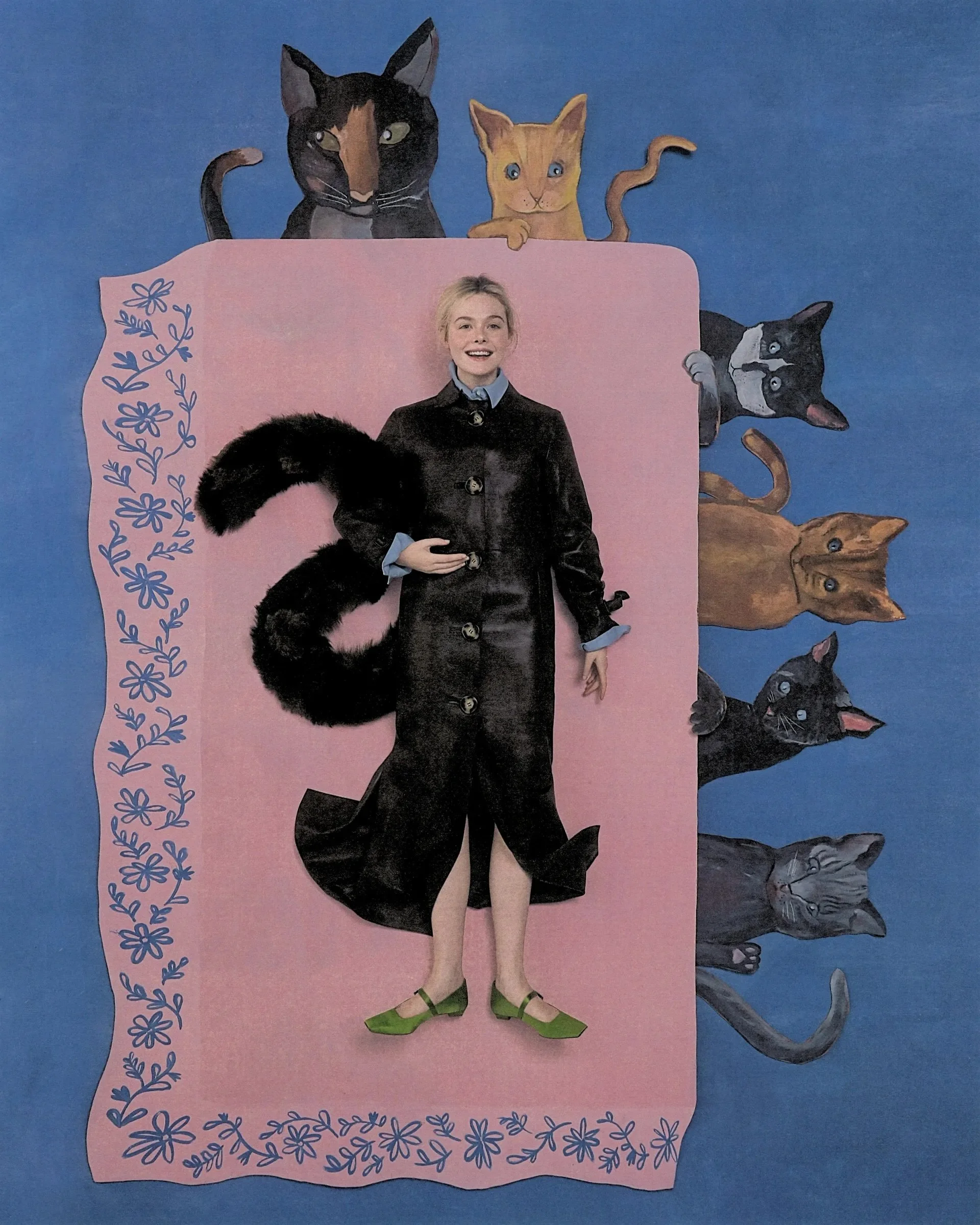
Image credit: Szilveszter Makó; Wardrobe: ACNE Studios coat; Loewe shirt; Miu Miu scarf;Roger Vivier shoes
If you’ve been online at all this past month, then you’ve likely seen the 2016 throwback trend dominating all of our feeds. This trend claims that “2026 is the new 2016” and calls for users to post their own photos from a decade ago, usually depicting a seemingly more carefree time before FaceTune, lip-filler, and AI ruled the algorithm. But I’m left wondering, why did the entire world decide to romanticize 2016, ten years later? Well, I don’t think it’s quite as random as it seems.
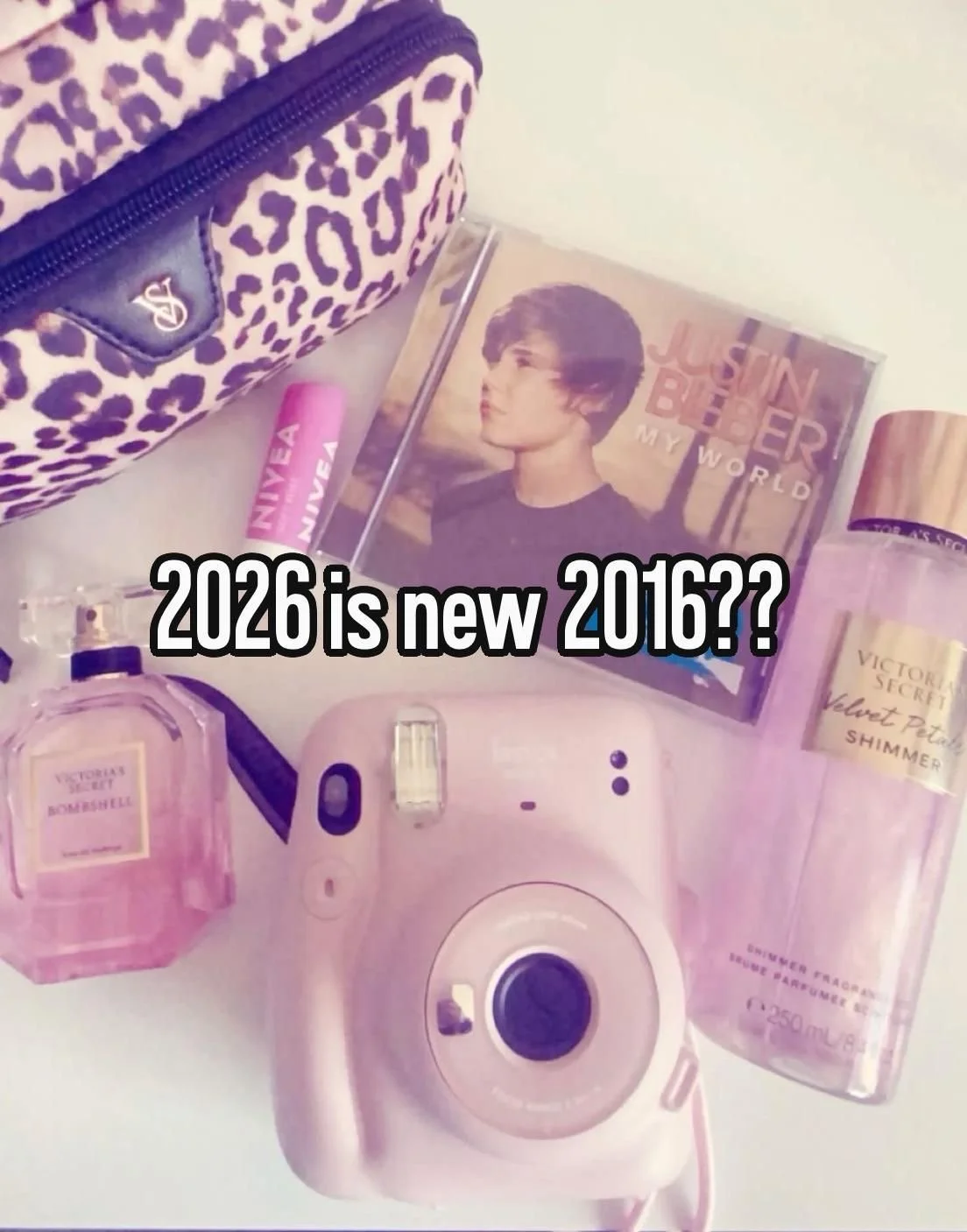
Image credit: Pinterest
Over the past decade, we have seen the rapid rise of far-right ideology across the globe, particularly in the United States. Uncoincidentally, we’ve also seen minimalism rule fashion, as well as most other creative fields. However, it seems like the new year may be turning over a new page—a much, much messier one.
Both on the runway and online, I have noticed a surge in (curated) imperfection and images that reference fine art. The most recent example of this is Elle Fanning’s January cover shoot for Who What Wear magazine, photographed by Szylvestor Mako. The images went viral for their surrealist inspiration and hand-crafted props, including a human-sized fork and a cardboard house headpiece. They are infused with humanity and imperfection, which is precisely why everyone is obsessed.
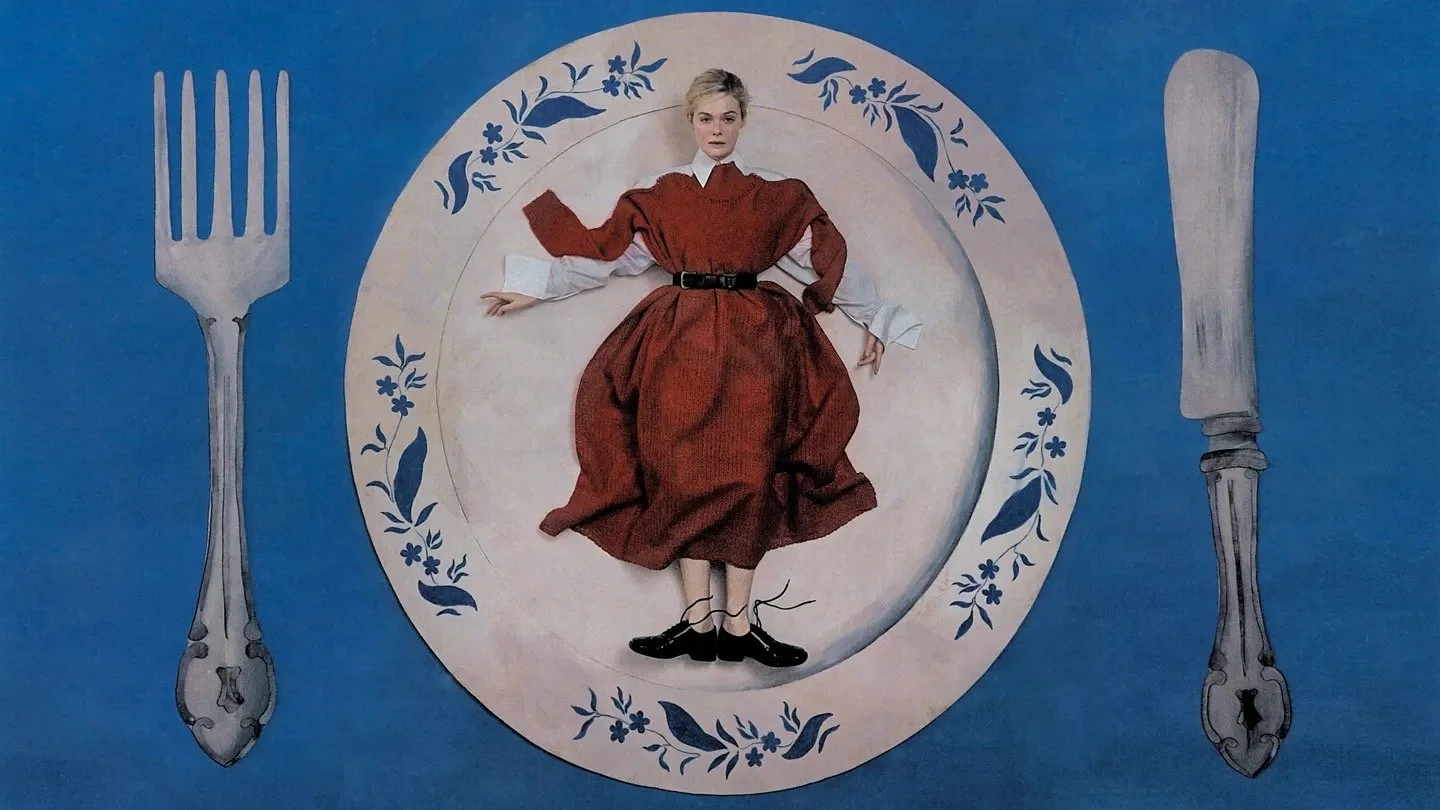
Image credit: Szilveszter Makó; Wardrobe: Issey Miyake dress; Thom Browne shirt; Jil Sander shoes
In a world run rampant with AI, it makes sense that people are craving human-made content. Creative Director and content creator Elysia Berman supports this anti-perfection movement, deeming that “Weird Art School Girl” is the new It-Girl. She attributes the overnight popularity of this archetype to Rama Duwaij, the first Gen Z First Lady of New York City. Berman states that, “We have demonized humanities degrees and prioritized STEM in higher education, and as a result, we are now watching the humanity drain from our society. We need people who are thinkers, who challenge the status quo, and who have fresh ideas that aren’t AI-generated by ChatGPT. ” Instead, she emphasizes society’s need for creators over consumers, and for physical media over digital: “I want us to fight against the digitization of our society. We have one thing that AI cannot replace: humanity, curiosity, hunger, thirst. ”
This sentiment was apparent during last week’s Paris Fashion Week, as whimsical absurdity seemed to replace the previously dominant tendency toward minimalism and “Quiet Luxury. ” Dior’s recent Spring/Summer 2026 Haute Couture collection, designed by Creative Director Jonathan Anderson, took inspiration from ceramicist Magdalene Odundo, whose pieces evoke the human body. The official Dior Instagram account stated that, “the work of artist Magdalene Odundo offers a pivotal lens for the collection, one that reframes couture through the poetics of sculpture. ” This ode to the innate handcrafted nature of fashion is perfectly aligned with the public’s weariness of the omniscient digitization of our daily lives.
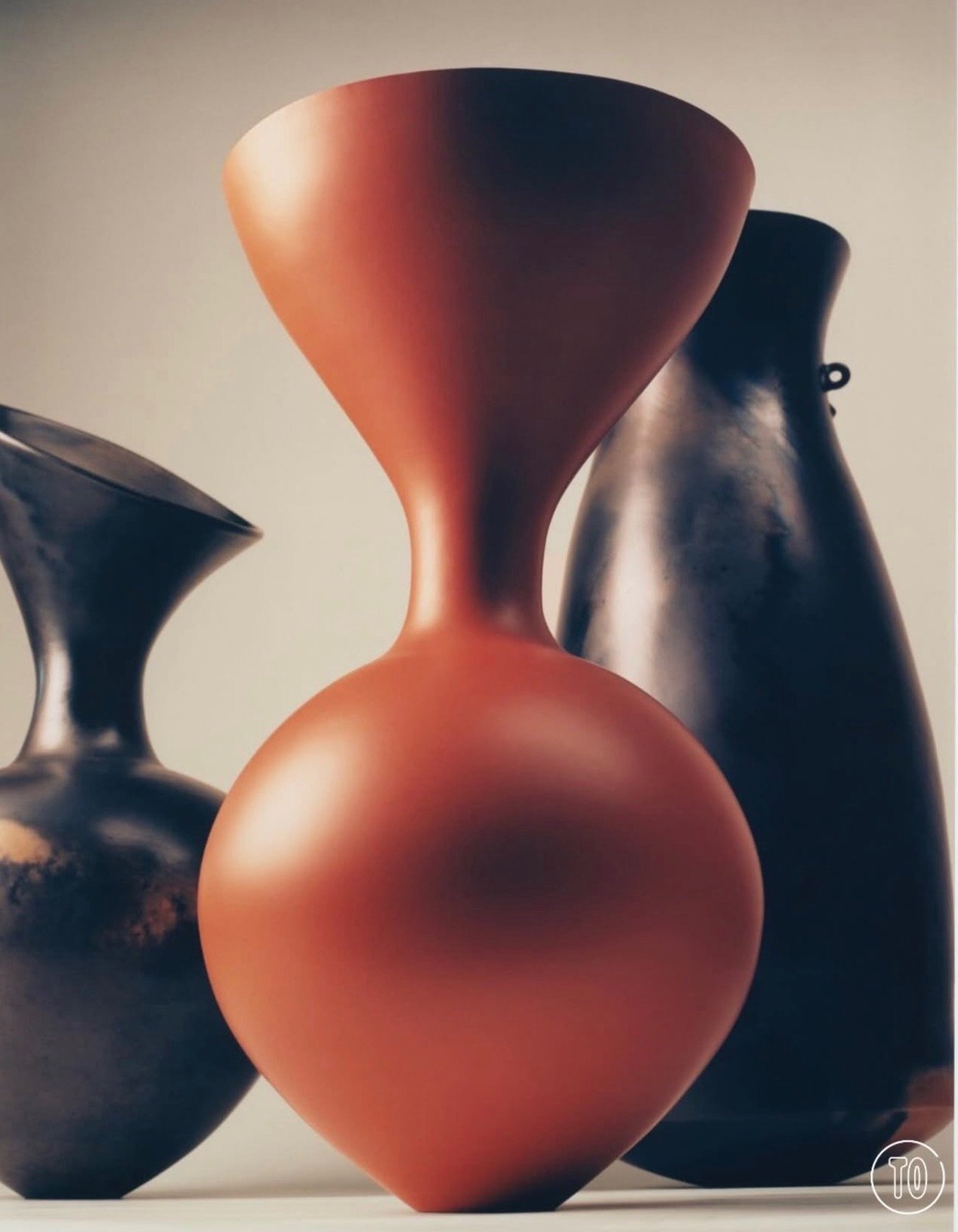
Image 1: Magdalene Odundo

Image 2: Dior SS26 Haute Couture
Political unrest has a long history of sparking counter movements throughout history (the hippie movement, flapper movement, and punk movement, just to name a few), and the nationwide anti-ICE and anti-fascist protests provide the perfect grounds for the new generation to fight back through creativity and community.
The tense political climate, overflooding of AI content, and the dreariness of minimalism have all come to a head, and it seems that the people have had enough. Imperfection, mess, flaws—these are all innate to the human experience. These are also the things we’ve forgotten to embrace in our perfectly edited and curated world.
Have we finally arrived at the light at the end of the tunnel?